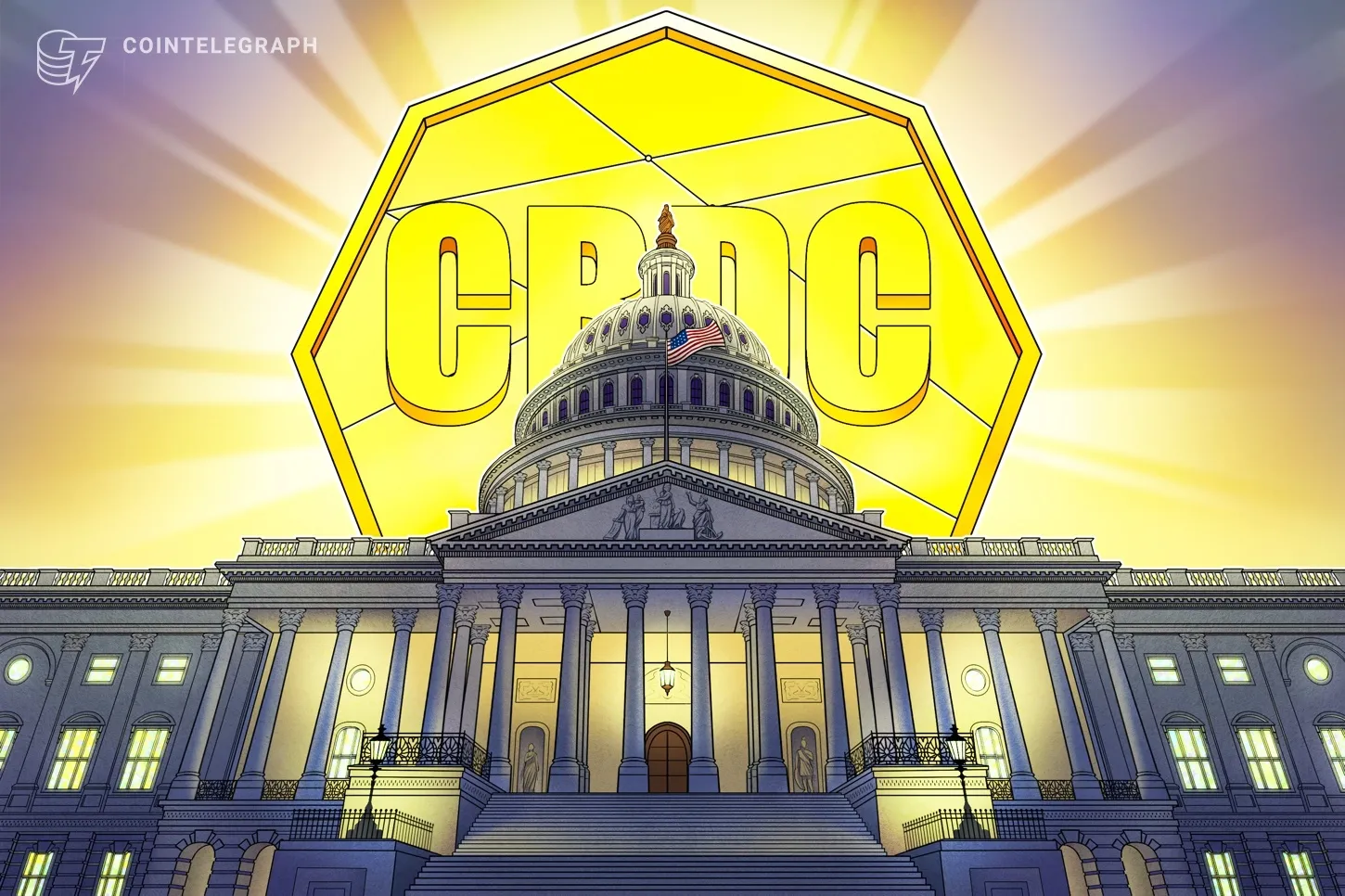
In a significant legislative breakthrough, U.S. House and Senate leaders announced an agreement on the much-anticipated 21st Century Road to Housing Act, which incorporates a temporary ban on the Federal Reserve's exploration of a central bank digital currency (CBDC) until the end of 2030. This move underscores the growing bipartisan support for housing affordability while navigating the complex waters of digital asset regulation.
The housing bill, which garnered considerable traction in both chambers, prohibits institutional investors from purchasing existing single-family homes for rental purposes, a measure aimed at tackling escalating housing costs across the nation. The Senate initially advanced this legislation in March, and following the House's approval in May, it became clear that amendments were necessary to resolve differences between the two versions. With the latest agreement in place, House leaders plan to call for a final vote after the congressional recess slated for June 23.
This development represents a significant victory for Republicans, who have long sought a ban on CBDCs amid concerns voiced by cryptocurrency advocates about potential government overreach and the implications for individual privacy. The newly incorporated language specifies that the Federal Reserve is prohibited from issuing or creating a CBDC or any similar digital asset, a provision that mirrors aspects of last year's Anti-CBDC Surveillance State Act spearheaded by Republican Representative Tom Emmer.
Furthermore, the legislation allows for an exemption for crypto stablecoins—specifically, “dollar-denominated currency that is open, permissionless, and private.” This aspect reflects a growing awareness within Congress of the need to delineate between central bank-issued currencies and more decentralized forms of digital money.
President Donald Trump previously issued an executive order in January 2025, effectively banning federal entities from engaging in CBDC-related initiatives, citing threats to the financial system's stability and the preservation of U.S. sovereignty. This latest bill's passage could bolster the administration's ongoing efforts to recalibrate the regulatory landscape for digital currencies in response to rapidly evolving technological advancements.
As Congress gears up for the August recess and the impending November midterm elections, attention will shift to other critical pieces of legislation, including the highly debated CLARITY Act, which aims to establish clearer guidelines for cryptocurrency regulation. Stakeholders in the crypto industry are closely monitoring these developments, as they could set the tone for the future of digital assets in the United States.
This bipartisan agreement not only reflects a pragmatic approach to a pressing housing crisis but also highlights the intricate balance Congress must strike as it navigates the intersecting domains of housing policy and digital currency regulation.
Source: Cointelegraph
More Recommended

Trump Contemplates 250 Pardons to Mark America's B...

Myanmar's Military Government Unveils Harsh Penalt...