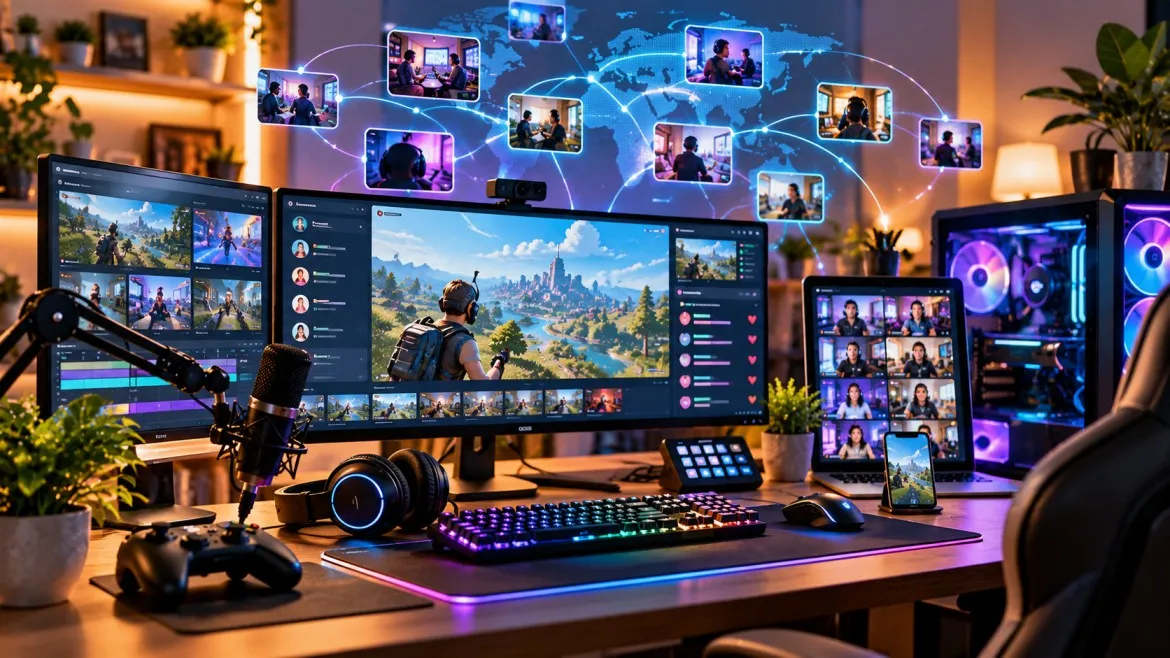
Playing well is only one way to make a name in gaming. Players who want to build an audience can also share useful guides, tell stories from their matches, review gear, or explain what goes into their setup. A mix of written and video content gives people more ways to discover a creator—and gives existing followers reasons to return between streams or game releases.
Choose a Clear Point of View
Gaming is a broad subject, so a focused angle makes content easier to plan and more useful to readers. One creator might cover beginner strategies for a particular game, while another writes about accessible gaming hardware, esports practice routines, or the social side of playing with friends. Personal experience can be a strength: a detailed account of learning a difficult role or adjusting to a new controller often offers practical insight that a generic overview cannot.
Before publishing, consider who the piece is for and what they should take away. A guide for new players may need definitions and screenshots, while an article for experienced competitors can concentrate on decision-making and specific situations. A consistent subject helps people understand what to expect, but it does not mean every post has to use the same format.
Turn Play Sessions into Useful Ideas
Good creator content often begins with something that happened during play. A close match can prompt a breakdown of positioning; a frustrating hardware issue can become a troubleshooting guide. Keep brief notes while gaming, including what went wrong, what helped, and what you would do differently next time. Those details make later explanations more concrete.
It also helps to separate an observation from a universal rule. If a strategy worked in one lobby, explain the conditions that made it effective rather than presenting it as the best approach for everyone. Game patches, ranks, platforms, and team composition can all change the answer. Being clear about the limits of your experience makes advice more trustworthy.
Formats That Work for Gaming Topics
- Guides: Explain a process step by step, such as changing settings or practicing a skill.
- Reviews: Describe how a game, accessory, or feature performs in actual use, including trade-offs.
- Personal stories: Share a memorable tournament, a learning curve, or the experience of playing with a group.
- Comparisons: Help readers weigh options, such as different controller layouts or streaming setups.
A personal story can still be informative. Include the context, the choices you made, and what you learned, so readers can connect the experience to their own play. Writers looking for outlets that welcome personal experiences can explore personal guest-posting websites and assess whether a publication’s audience and submission guidelines fit the idea.
Make Short Video Serve the Story
Short-form video can bring a gaming moment to life, but it needs more than a quick clip. A strong edit gives the viewer context, focuses attention on the important moment, and ends before the idea loses momentum. For a tactical play, that might mean showing the setup before the decisive move. For a gear tip, a close-up and a clear demonstration may matter more than elaborate effects.
Plan the basic structure before recording: an opening that tells viewers what they will see, a central example, and a concise takeaway. Captions can help when viewers watch without sound, while careful cropping keeps important interface details visible on a phone. Make sure any music, game footage, or other material is suitable for the platform and use case.
When editing becomes a bottleneck, a freelancer may help turn raw footage into a repeatable format. Osdire’s guide to hiring a short-video editor outlines considerations such as deliverables, pricing, and the hiring process. Before work begins, agree on video length, aspect ratio, captions, revisions, file formats, and delivery dates. A small paid test can show whether an editor understands the pacing and tone you want.
Build a Sustainable Publishing Routine
Consistency is more useful than an ambitious schedule that quickly becomes difficult to maintain. Choose a pace that fits around gaming, work, or school, then use one idea in more than one format. A written guide can provide the substance for a short clip, while a video question from viewers may suggest a future article. Repurposing should involve adapting the material, not simply reposting the same thing everywhere.
Keep a simple record of what you publish and how people respond. Comments and questions can reveal which explanations need more detail; watch time or saves may indicate that a format is useful. Treat these signals as clues rather than a verdict. A small audience can still provide valuable feedback, and a post’s performance may depend on timing as well as quality.
Conclusion
A gaming creator presence grows from a clear perspective, useful details, and a workflow that can be sustained. Start with subjects you know firsthand, explain what readers or viewers can learn, and choose formats that suit the idea. Over time, articles and short videos can complement gameplay, helping a creator build a recognizable voice and a more connected community.