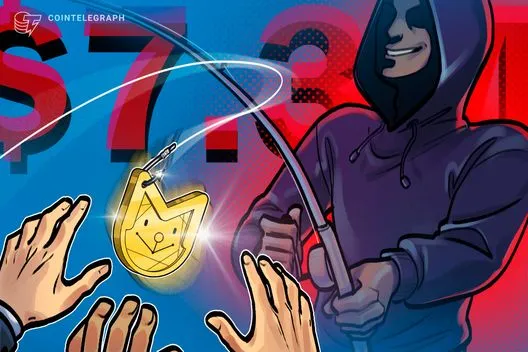
In a dramatic twist that has sent shockwaves through the decentralized finance (DeFi) community, DxSale was exploited for $7.3 million, affecting over 1,400 liquidity providers on the BNB Chain. This breach underscores the persistent vulnerabilities within DeFi protocols and amplifies ongoing concerns over digital asset security in a rapidly evolving landscape.
The cyberattack, which occurred earlier this week, saw funds siphoned from DxSale's liquidity pool in a fashion that aligns with a broader trend of security breaches plaguing the DeFi sector. According to insights gleaned from blockchain analysis firm PeckShield, an anonymous address, referred to as "0xC457," executed the exploit by transferring approximately $1.87 million in BNB tokens into two primary wallets. These funds were subsequently funneled into multiple Binance deposit accounts.
Blockchain experts have flagged the exploit as part of a worrying trend, noting that DxSale has facilitated liquidity locking for various token launches on the BNB Chain since 2021. Notably, some of these older tokens remain locked in DxSale's contracts, which a leading blockchain analyst, identified as Tahax, claims were never officially migrated to new security protocols. This oversight could have paved the way for the recent exploit.
As reports flood in, the frequency of DeFi hacks has raised alarm bells within the community. In May alone, losses attributed to DeFi breaches reached $52 million, a marked decrease from April's staggering $634 million—yet security experts warn that the risk remains substantial. "I now consider *all* of DeFi unsafe," stated Manuel Aráoz, founder of OpenZeppelin, highlighting the precarious position many projects find themselves in as malicious actors increasingly utilize artificial intelligence to hone in on vulnerabilities.
A troubling aspect of this incident lies in the methodical approach of the attacker. After executing the initial breach, the hacker utilized tactics designed to obfuscate the trail, complicating efforts to trace the stolen funds. Reports indicate that the hacker's wallet was newly minted, with funds sourced from the crypto exchange Bybit. Furthermore, Tahax claims that ownership of the liquidity locker was transferred to a different wallet 269 days prior to the hack, suggesting that a backdoor may have been intentionally left open, unbeknownst to most users.
Onchain security reports reveal a series of 80 transactions aimed at obscuring the movement of funds, culminating in the mass withdrawal of BNB tokens that led to the devastating impact on liquidity providers. "A privileged setFee combined with a backdated lock turned 'locked' deposits into a withdrawable balance," stated Coinsult, a Web3 security platform, underscoring the exploit's sophistication.
Following the incident, Cointelegraph reached out to DxSale for a statement regarding the exploit and the total number of liquidity providers affected. The response is eagerly awaited by those within the DeFi community who are eager to understand the ramifications of this significant breach.
The ongoing string of cyberattacks has now amassed over $17 billion in losses across the cryptocurrency landscape, with approximately $7.8 billion attributed solely to DeFi protocols. As the sector grapples with these alarming figures, the urgency for enhanced security measures and robust protocols becomes increasingly evident.
The implications of the DxSale exploit are far-reaching, posing critical questions about the future of DeFi safety and investor confidence in an industry still reeling from repeated breaches.
Source: Cointelegraph
More Recommended

Trump Contemplates 250 Pardons to Mark America's B...
Myanmar's Military Government Unveils Harsh Penalt...